January 6, 2026
In the sphere of waste management, selecting the right roll-off dumpster is crucial for efficient cleanup during projects ranging from small home renovations to massive construction undertakings. Understanding the dynamics of roll-off rentals ensures you enjoy seamless operations without unnecessary delays. This article provides a comprehensive guide on how to choose the correct dumpster, evaluating factors like project type, size needs, and local regulations. Achieving a smooth rental experience requires understanding rental costs and options, preparing your site effectively, and efficiently managing the rental processes. A keen grasp of these elements promises savings in time, effort, and costs, ensuring effective waste management and a successful project outcome.
Understanding Roll Off Dumpsters
What Is a Roll Off Dumpster?
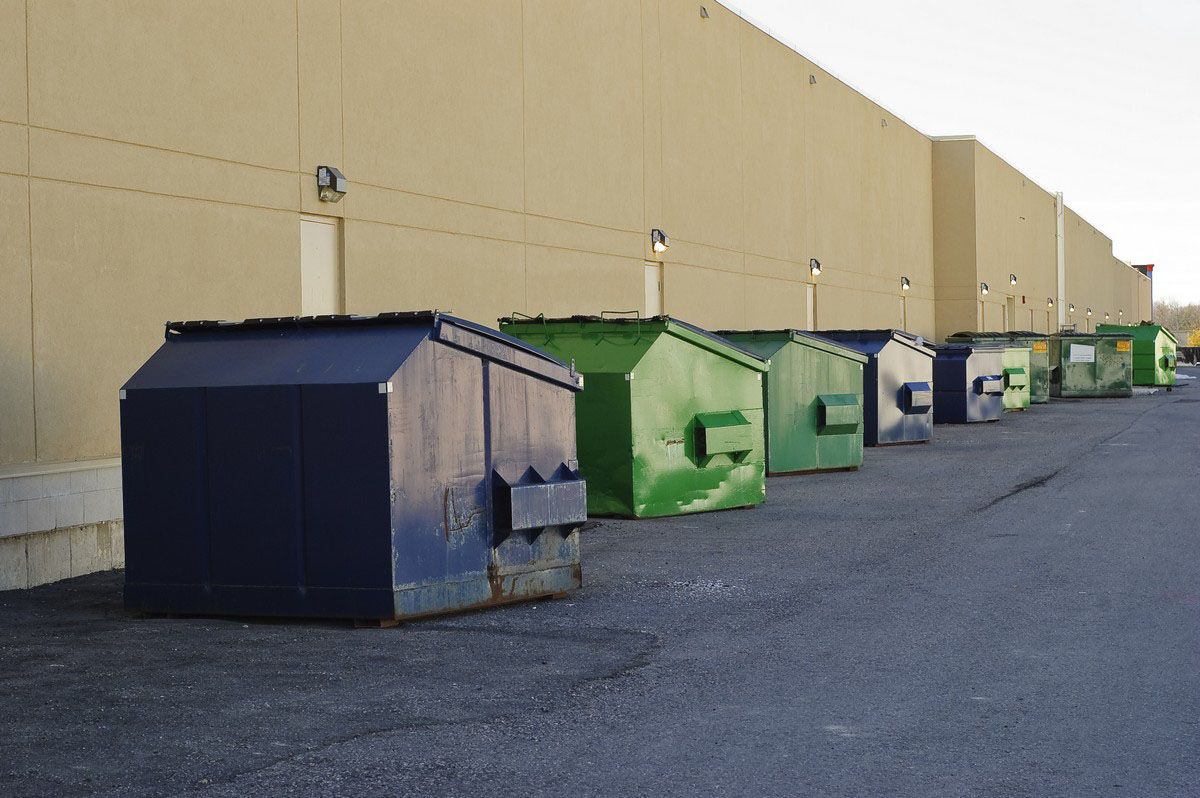
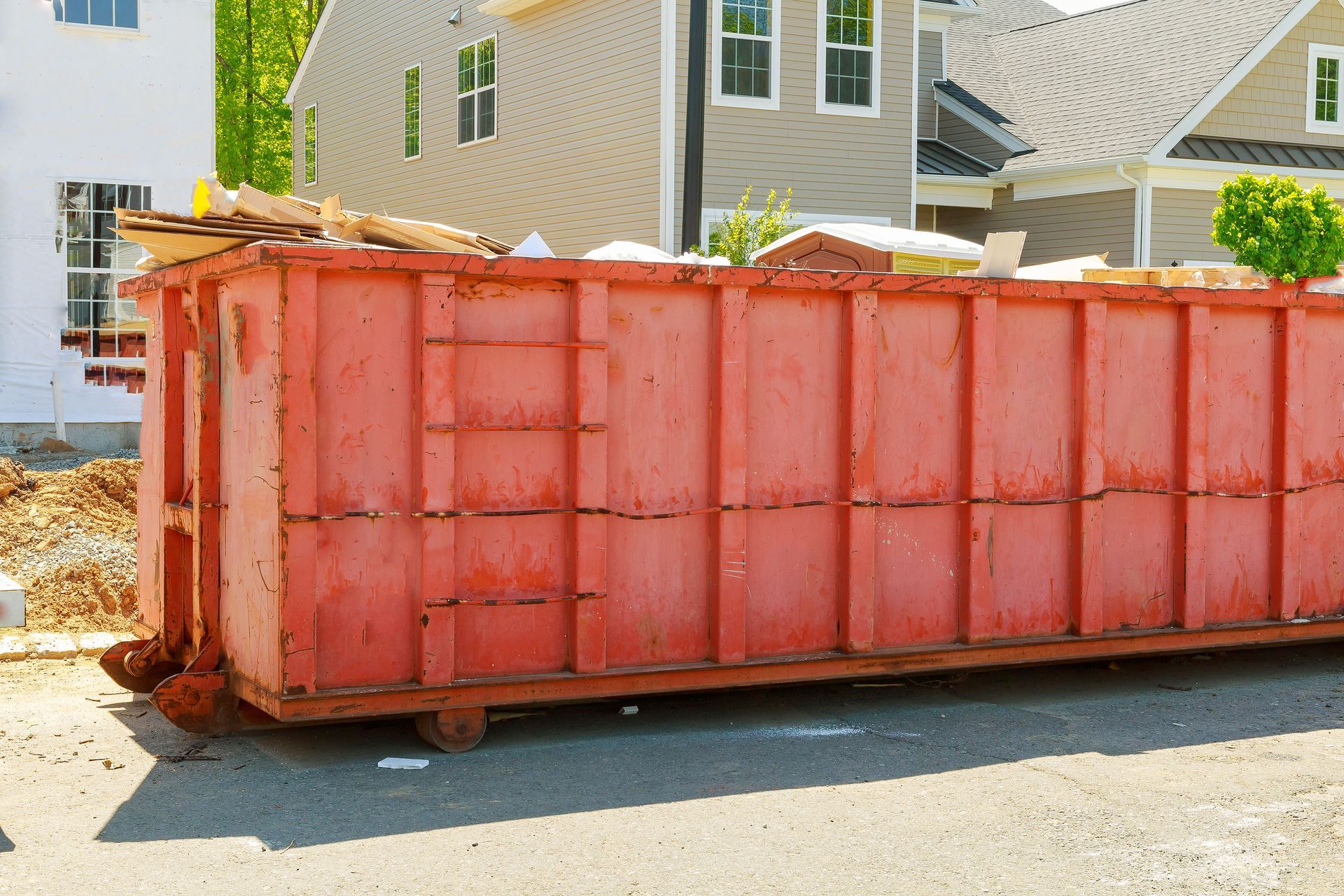
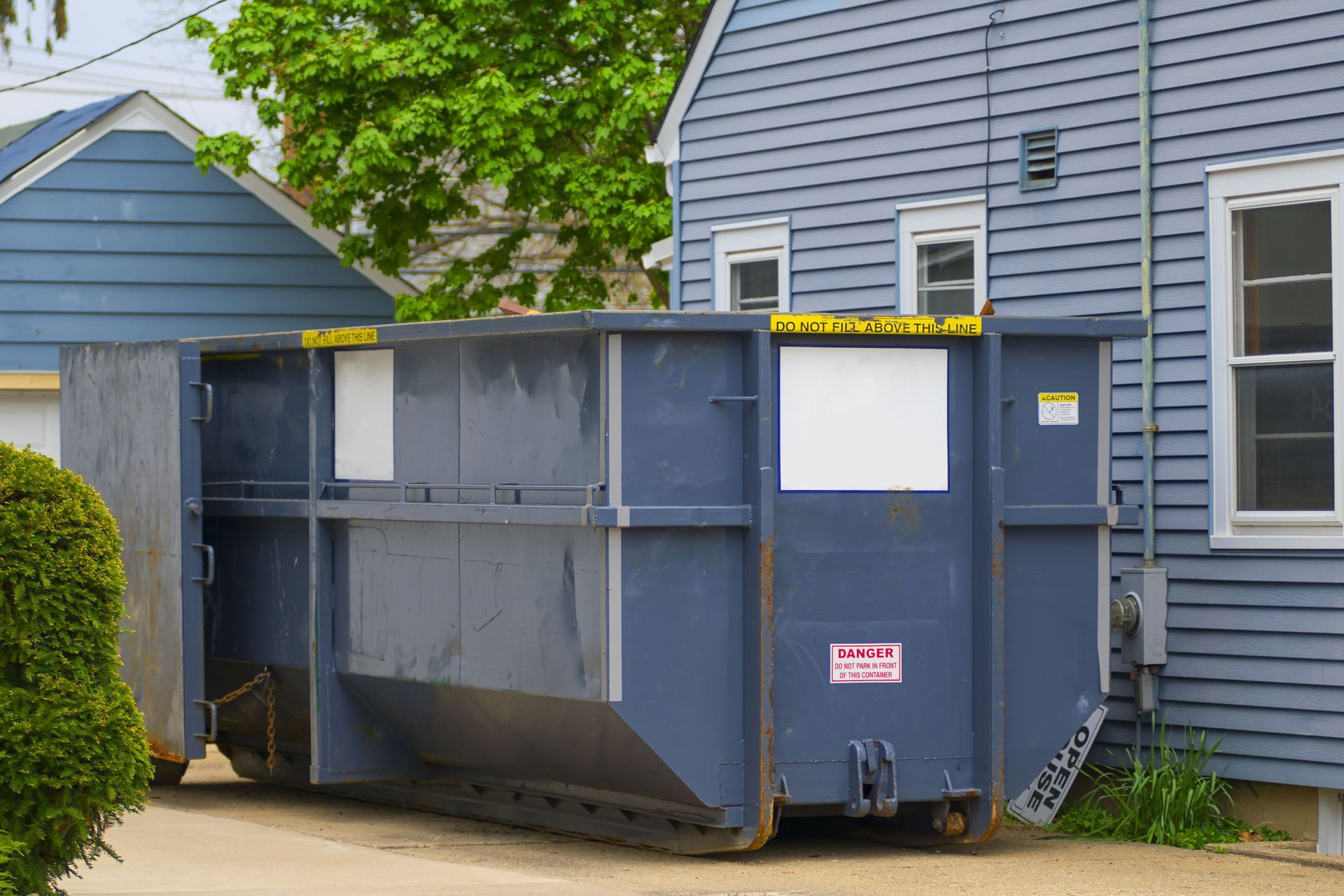
Roll off dumpsters are large containers used for large waste management tasks. They stand out due to their open tops and wheels that facilitate easy movement and transportation. Their design caters specifically to projects that generate substantial waste, like renovations, demolitions, and construction works. A roll-off dumpster is indispensable for efficiently managing bulky disposal tasks, saving time and labor in waste management. It's crucial to recognize these tools' versatile properties when assessing your waste management needs for a particular project.
Common Uses for Roll Off Dumpsters
Roll off dumpsters are commonly deployed in construction and demolition sites due to the high volume of waste generated. They're equally effective in residential settings, particularly during large-scale home clean-outs or remodeling projects. Businesses utilize them for disposing of bulky materials during periodic office clear-outs or relocations. According to IBISWORLD, the Dumpster Rental industry has expanded steadily over the current five-year period, supported by consistent demand from construction, housing and public infrastructure projects. These containers' flexibility allows users to adeptly manage different waste types, making them an essential tool across various applications.
Benefits of Using Roll Off Dumpsters
The use of roll-off dumpsters enhances site organization, as waste is contained in one location, thereby keeping areas cleaner. They significantly reduce the labor needed for transporting waste, saving time and effort. Safety is enhanced, as these dumpsters help minimize the risk of debris-related accidents on-site. They also support sustainability through segregated recycling options often offered by rental companies. Roll-off dumpsters are not only efficient and economical but also environmentally friendly, supporting users in adhering to waste disposal regulations and best practices.
Types and Sizes of Roll Off Dumpsters
Roll off dumpsters vary in size to accommodate different project requirements, typically ranging from 10 to 40 cubic yards. Smaller sizes are apt for residential clean-outs or minor renovation projects. Larger variants are suited for significant undertakings, including large-scale demolitions or major infrastructure developments. Understanding the dimensions and capacities of these containers is paramount when aligning them with specific project needs. With a range of options available, choosing the right size impacts both efficiency and cost-effectiveness in the disposal process.
Materials Typically Accepted
Roll off dumpsters handle a wide array of waste materials, ideal for mixed-load disposals. Typically, they accommodate construction debris, household items, yard waste, and certain industrial refuse. However, restrictions often apply to hazardous materials, which may require alternative disposal solutions. Aligning your waste type with a rental company's accepted materials is essential for compliance and efficient waste management. Awareness and adherence to these stipulations ensure seamless rental experiences and proper disposal practices in line with environmental regulations and safety guidelines.
Evaluating Your Project Needs
Assessing Project Scope and Duration
Understanding the breadth and length of your project is fundamental in selecting an appropriate roll-off dumpster. Projects with expansive scopes or unique tasks often generate varying waste amounts, influencing dumpster size choice. Estimating your project's timespan is equally critical to ensure rental schedules align with project phases. Coordination between project management and waste needs prevents cost overruns and rental inefficiencies. An accurate evaluation of these factors enables you to streamline the waste management process, reducing unwanted delays and expenses.
Estimating Waste Volume
Forecasting the volume of waste is a pivotal step in deciding which roll-off dumpster to rent. A thorough assessment prevents underestimating capacity needs, which could disrupt project logistics. Approximating waste types and quantities supports in choosing an appropriately sized dumpster, avoiding service gaps or unnecessary costs. Misjudging volume may lead to exceeding container limits, impacting budget and timeline adversely. Documenting past similar projects serves as a valuable reference point in generating realistic waste volume estimations for your current venture.
Navigating Local Regulations and Permits
Compliance with local regulations is non-negotiable in utilizing roll-off dumpsters. Many municipalities have specific rules concerning placement, permitting, and the types of waste accepted. Securing the necessary permits before the dumpster's arrival prevents potential legal troubles or fines. Familiarity with zoning laws and waste disposal stipulations guarantees adherence to community standards. By aligning project operations with such guidelines, you ensure smooth integration of waste management practices within the local regulatory framework.
Special Considerations for Hazardous Materials
Disposing of hazardous materials requires diligence beyond standard waste management. Certain roll-off dumpsters aren’t suitable for chemicals, electronics, or biomedical waste, necessitating specialized disposal channels. Employing certified hazardous waste services prevents environmental contamination and legal consequences. Collaboration with regulatory bodies can provide guidance and resources for a safe disposal plan. Understanding hazardous waste requirements is vital in safeguarding public health and environmental quality throughout your project lifecycle.
Environmental and Recycling Requirements
Increasing focus on sustainability compels project teams to consider recycling and environmental mandates. Efficiently segregating recyclables from non-recyclables within roll-off dumpsters aids compliance with eco-friendly practices. Many rental services support customers in implementing greener disposal approaches, which can mitigate environmental impact. Adhering to these requirements enhances corporate responsibility, boosts public image, and satisfies environmental legislation. Integrating these considerations promotes successful project execution while benefiting the broader ecosystem.
Choosing the Right Size Dumpster
Common Dumpster Sizes Explained
Selecting the right dumpster size relies on understanding the standard dimensions available in the industry. In our experience, options typically include 10-yard, 20-yard, 30-yard, and 40-yard containers. The right size accommodates your waste volume while providing enough space for unforeseen disposal needs. Tailoring size choice to project scope and waste characteristics optimizes the roll-off rental process. Grasping these size distinctions empowers you to make informed choices, aligning disposal capability with project-specific demands.
Calculating the Right Size for Your Project
Estimating the necessary dumpster size requires considering waste density, project type, and task duration. Calculations involve detailed estimates of waste volume and weight, ensuring compatibility with desired dumpster capacity. Overhead space for unusual waste inflow must also factor into selection decisions. For complex evaluations, consulting a roll-off rental expert adds accuracy to size determination, aligning disposal resources with project objectives. A strategic assessment process aids cost-effective, efficient waste containment, bolstering project success on all fronts.
Small-Scale vs. Large-Scale Projects
Scaled approach influences dumpster selection as small and large projects have distinct disposal requirements. Small endeavors like residential clean-outs favor smaller dumpsters for cost efficiency and physical site constraints. In contrast, massive projects necessitate larger containers to meet extensive waste output effectively. Balancing project impact with dumpster logistics optimizes operational efficiency and budget management. Differentiating between small-scale and large-scale considerations enables you to precisely address unique waste management challenges.
Effectively managing waste with roll-off dumpster rentals necessitates an attentive approach, recognizing requirements and adhering to best practices. Evaluating project needs, selecting appropriate dumpster sizes, understanding rental costs, and navigating logistical considerations demand thoughtful execution. This guided understanding facilitates informed choices that enhance project efficiency while adhering to environmental commitments. Leveraging this knowledge optimizes the role of waste management in your project's framework. Embarking on dumpster rentals armed with this comprehensive insight promises cost and time savings, supporting successful and sustainable project outcomes. If you or someone you know needs a roll off rental, make sure to contact Skyhook LLC today!